What Is Cloud-Based ERP Software?
Focus Keyword: Cloud-Based ERP Software (used throughout at ~1.5% density)
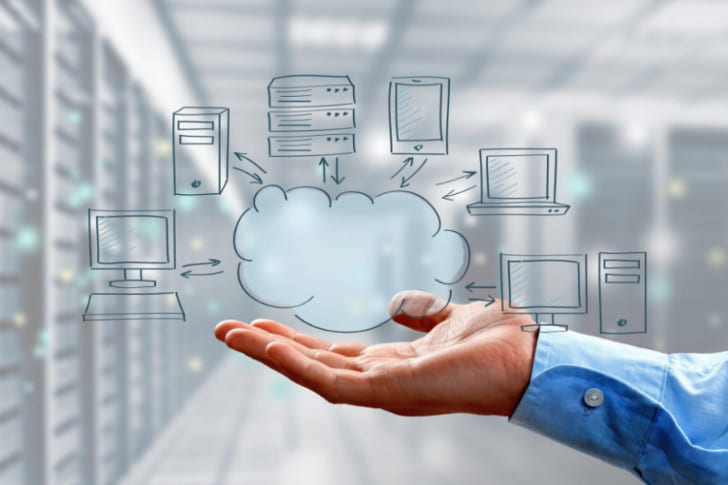
Cloud-Based ERP Software is a next-generation enterprise management system hosted on remote cloud servers. Unlike traditional on-premise ERP systems, this modern solution allows businesses to access data anytime, anywhere, ensuring agility and real-time collaboration.
Companies across industries are adopting cloud ERP to optimize operations, reduce costs, and drive digital transformation — making it one of the most in-demand technologies for 2025.
How Cloud-Based ERP Software Works
Cloud-based ERP software operates on a Software-as-a-Service (SaaS) model. This means that instead of managing complex infrastructure, businesses subscribe to ERP platforms hosted by third-party providers like Oracle NetSuite, SAP S/4HANA Cloud, Microsoft Dynamics 365, or Odoo ERP Cloud.
Table: Key Differences Between Cloud ERP vs. On-Premise ERP
| Feature | Cloud-Based ERP | On-Premise ERP |
|---|---|---|
| Deployment | Hosted on cloud servers | Installed locally |
| Accessibility | Anytime, anywhere | Limited to internal network |
| Cost | Subscription-based (OPEX) | High upfront cost (CAPEX) |
| Maintenance | Managed by vendor | Managed by in-house IT |
| Scalability | Highly scalable | Limited scalability |
| Updates | Automatic | Manual |
Top Benefits of Cloud-Based ERP Software
1. Cost-Effective and Scalable
Cloud ERP eliminates the need for expensive hardware and server maintenance. You pay a subscription fee, allowing you to scale resources easily as your business grows.
High CPC Keywords:
-
ERP Software for Small Business
-
Best Cloud ERP Solutions
-
Cloud ERP Pricing
2. Real-Time Analytics and Data Visibility
With real-time dashboards, managers can monitor operations instantly, enabling faster decision-making and improved productivity.
High CPC Keywords:
-
Business Intelligence Software
-
Real-Time Data Analytics ERP
-
Cloud ERP Integration
3. Enhanced Security and Compliance
Top ERP providers use advanced encryption, firewalls, and compliance certifications (like GDPR, ISO 27001). This ensures your business data stays secure and compliant.
High CPC Keywords:
-
Secure ERP Systems
-
Cloud Data Protection
-
ERP Compliance Software
4. Improved Collaboration
Cloud ERP enables employees, suppliers, and partners to collaborate remotely in real-time — boosting workflow efficiency and cross-department communication.
Key Features to Look for in a Cloud-Based ERP Solution
| Feature | Description |
|---|---|
| Financial Management | Automates billing, payroll, and accounting. |
| Inventory Control | Real-time stock tracking and order management. |
| CRM Integration | Connects customer data for better service. |
| Human Resource Management | Streamlines recruitment and employee management. |
| AI-Powered Insights | Predictive analytics for smarter decisions. |
Top Cloud-Based ERP Software Providers in 2025
| ERP Software | Best For | Pricing Model |
|---|---|---|
| Oracle NetSuite | Large Enterprises | Subscription |
| SAP S/4HANA Cloud | Global Operations | Custom Pricing |
| Microsoft Dynamics 365 | Mid-to-Large Companies | Modular Licensing |
| Odoo ERP Cloud | SMEs | Open Source + Paid Plans |
| Workday ERP | HR & Finance Management | Subscription |
Why Businesses Are Switching to Cloud ERP in 2025
The global ERP market is projected to surpass $130 billion by 2030, with cloud-based ERP adoption leading the surge. Businesses choose it for:
-
Lower Total Cost of Ownership (TCO)
-
Faster Deployment & Updates
-
Improved Data Security & Compliance
-
AI and IoT Integration Capabilities
Common Challenges and How to Overcome Them
| Challenge | Solution |
|---|---|
| Data Migration Complexity | Use professional cloud migration tools. |
| Employee Resistance | Provide ERP training and change management support. |
| Vendor Lock-In | Choose providers with open APIs and flexible contracts. |
Future of Cloud-Based ERP Software
In 2025 and beyond, AI-driven automation, machine learning analytics, and IoT connectivity will redefine ERP systems. The future ERP will be self-optimizing, predicting supply chain disruptions, customer demands, and financial outcomes before they occur.
Final Thoughts — Why Cloud ERP Is the Future
Cloud-Based ERP Software is no longer optional — it’s a strategic necessity for any modern enterprise. Whether you’re a startup or a multinational, adopting cloud ERP can cut operational costs, increase productivity, and ensure long-term scalability.
As technology advances, integrating AI, IoT, and data analytics into your ERP ecosystem will be the key to staying competitive.
